
Many people experience sneezing, congestion, or a persistent cough and assume they have a cold or seasonal allergies. What they often do not consider is that the source of those symptoms may be right inside their own home. The key indicator that mold is the cause is a clear indoor pattern: symptoms that worsen at home and improve when you leave are a strong sign that your indoor air quality needs attention, and we will walk through exactly how to confirm this and what to do about it throughout this guide. Understanding what are symptoms of mold allergies is an important first step toward identifying whether mold exposure is affecting your health.
Mold allergy symptoms occur when the immune system reacts to inhaled mold spores. These spores are microscopic and invisible to the naked eye, which means a person can be regularly exposed to significant quantities without ever seeing visible mold in their living space. The symptoms closely resemble hay fever and other respiratory allergies, which is exactly why mold sickness so often goes unrecognized for months or even years.
This guide walks through the full range of mold allergy symptoms, explains how mold exposure triggers these reactions, identifies who is most at risk, and covers what steps to take when you suspect mold is affecting your health at home.
How Mold Causes Allergic Reactions
Mold reproduces by releasing spores into the surrounding air. In a home with active mold growth, these spores are present in elevated concentrations throughout the indoor air supply, particularly in the rooms where mold is growing and in any spaces connected to it through the HVAC system.
When a person with a mold sensitivity or allergy inhales these spores, the immune system identifies them as a threat and launches a defensive response. This immune response produces the classic allergy symptoms: inflammation in the nasal passages, throat, airways, and eyes. In people with asthma or other respiratory conditions, the same response can trigger bronchial inflammation that leads to wheezing and breathing difficulty.
What makes mold exposure different from seasonal outdoor allergies is that indoor mold is present year-round. There is no pollen season with a predictable end date. As long as the mold colony remains active and moisture is present, spore production continues and symptoms persist. This is why mold sickness often presents as a chronic condition rather than an acute seasonal event.

What Are Symptoms of Mold Allergies?
Mold allergy symptoms range from mild and intermittent to persistent and significantly disruptive. The specific symptoms a person experiences depend on the type of mold present, the level of exposure, individual sensitivity, and overall health status.
Nasal and sinus symptoms
Nasal and sinus symptoms are among the most common. These include:
- Persistent nasal congestion or stuffiness that does not resolve with standard decongestants
- Runny nose with clear or slightly colored discharge
- Frequent sneezing, particularly in specific rooms or after arriving home
- Postnasal drip causing throat clearing and mild sore throat
- Sinus pressure or facial pain, particularly around the forehead and cheeks
Eye symptoms
Eye symptoms occur when mold spores contact the mucous membranes of the eyes directly:
- Itchy, red, or watery eyes
- Burning or irritated sensation in the eyes
- Sensitivity to light in more reactive individuals
Respiratory symptoms
Respiratory symptoms develop when mold spores reach the lower airways and lungs:
- A persistent dry cough that does not accompany a fever or illness
- Wheezing or a whistling sound when breathing, particularly at night
- Shortness of breath or a sensation of tightness in the chest
- Worsening asthma symptoms or more frequent asthma attacks in people with existing asthma
Skin reactions
Skin reactions can occur when skin comes into direct contact with mold or in people with heightened sensitivity:
- Itching or hives on the skin
- Redness and irritation on exposed skin areas
- Eczema flares in people with existing skin conditions
General and systemic symptoms
General and systemic symptoms that often accompany significant mold exposure include:
- Persistent headaches that worsen at home compared to other environments
- Fatigue and low energy that does not improve with adequate rest
- Difficulty concentrating or mental fogginess
- Irritated or sore throat without a clear illness cause
For a comprehensive understanding of how mold affects the body and the full range of health impacts beyond allergy responses, our guide on understanding the dangers of mold and how it affects your health provides detailed information.
How to Tell If Your Symptoms Are from Mold Exposure
The challenge with mold allergy symptoms is that they overlap significantly with other common conditions including seasonal pollen allergies, pet dander allergies, dust mite sensitivity, and common colds. Identifying mold exposure as the specific cause requires paying attention to patterns.
- Symptoms worsen at home and improve elsewhere. This is one of the most telling patterns. If your nasal congestion, coughing, or eye irritation consistently improves when you spend time away from home, such as at work, during travel, or when visiting other locations, and returns when you come back, indoor air quality at home is the likely factor.
- Symptoms are worse in specific rooms. If symptoms intensify in the bathroom, basement, bedroom, or any other particular room, mold may be growing in or near that space. Symptoms that specifically worsen in a room with known moisture issues are a strong indicator.
- Symptoms are worse after rain or during humid weather. High outdoor humidity elevates indoor humidity levels, which accelerates mold growth and spore production. If symptoms worsen predictably during or after wet weather, moisture-driven mold is a plausible cause.
- Symptoms persist year-round without seasonal variation. Pollen allergies follow seasonal patterns. Mold allergies tied to indoor growth do not because the mold colony continues producing spores regardless of the time of year.
- Multiple household members experience similar symptoms. When more than one person in the same home develops respiratory or allergy-like symptoms around the same time without a shared illness, a shared environmental exposure such as mold is worth investigating.
Who Is Most Vulnerable to Mold Sickness
While mold allergy symptoms can affect anyone exposed to sufficient concentrations of mold spores, certain groups face greater risk from the same level of mold exposure.
People with existing allergies or asthma are significantly more reactive to mold spores than the general population. For these individuals, even moderate spore counts in indoor air can trigger pronounced symptoms and asthma attacks.
Children have developing immune systems and spend more time indoors than most adults. Prolonged mold exposure during childhood has been linked to increased risk of developing respiratory sensitivities and asthma.
The elderly often have less robust immune responses and may have underlying respiratory conditions that make mold exposure more impactful on their health.
Immunocompromised individuals, including those undergoing chemotherapy, living with HIV, or taking immunosuppressant medications, face the most serious mold health risks. For these individuals mold exposure can lead to invasive fungal infections that go well beyond allergic responses.
People spending extended time in mold-affected spaces accumulate greater exposure over time. Homeowners working from home, stay-at-home parents, and anyone who spends the majority of their day in a mold-affected building face higher cumulative exposure than those who are away most of the day.
Common Mold Species That Trigger Allergies
Not all indoor mold species produce the same level of allergic response, but several are particularly associated with mold allergy symptoms in homes.
- Cladosporium is one of the most widespread indoor mold allergens. It appears as olive-green or black colonies and grows readily on fabric, wood, and other organic materials in areas with moderate humidity. It is a very common trigger for mold allergy symptoms.
- Aspergillus grows in many colors including yellow, green, and black. It is found in damp walls, insulation, and around HVAC systems and is a significant allergen, particularly for people with asthma.
- Penicillium spreads quickly and appears blue-green in color. It is often found in water-damaged buildings and on wallpaper, carpets, and insulation.
- Stachybotrys chartarum, commonly called black mold, is less common than the others but produces mycotoxins that cause more severe reactions beyond standard allergy responses. For detailed information on identifying and testing for this species, our guide on how to test for toxic black mold covers the process thoroughly.
What to Do If You Suspect Mold Exposure at Home
If you recognize mold allergy symptoms in yourself or household members and suspect your home may have a mold problem, these steps help you confirm and address the issue.
Consult a medical professional. If symptoms are persistent or significantly affecting quality of life, a doctor or allergist can perform testing to confirm a mold allergy diagnosis and recommend appropriate medical treatment. This step also creates a medical record that may be useful if mold remediation is needed.
Inspect your home for visible mold. Check the areas most prone to mold growth including bathroom caulk and grout, under sinks, around window frames, in basement corners, near HVAC vents, and in the laundry room. Visible mold in any of these areas confirms active spore production in your home. You can review our guide on the best way to get rid of black mold in bathrooms and kitchens for targeted treatment advice on common locations.
Monitor indoor humidity. Purchase a digital hygrometer and check humidity levels in different rooms of your home. Readings consistently above 55 to 60 percent indicate conditions that support mold growth, even if visible mold is not yet apparent. Reducing indoor humidity through air conditioning and dehumidification is one of the most immediate steps you can take.
Schedule a professional mold inspection. If you cannot identify visible mold but symptoms persist with an indoor pattern, hidden mold may be the cause. A professional mold inspection uses air sampling, surface sampling, and moisture detection tools to identify elevated spore levels and locate hidden growth that a visual check cannot find.
Improve ventilation throughout the home. Run exhaust fans in bathrooms and kitchens consistently. Change HVAC filters on schedule and consider upgrading to a higher MERV-rated filter that captures more airborne spores. Ensure dryer vents exhaust fully to the exterior.
Managing Mold Allergy Symptoms While Addressing the Source
While working to identify and eliminate the mold source in your home, these measures help manage ongoing mold exposure and reduce symptom severity in the short term.
Air purifiers with HEPA filters capture airborne mold spores and reduce the concentration of spores in the air of treated rooms. Place units in bedrooms and other frequently used spaces. They do not eliminate the source but meaningfully reduce the spore load in filtered air.
Allergen-proof bedding covers on pillows and mattresses reduce mold spore accumulation in sleeping areas where exposure is most prolonged during the night.
Regular vacuuming with a HEPA-equipped vacuum removes settled mold spores from carpets and upholstered surfaces before they become airborne again from foot traffic.
Nasal rinsing with saline solution helps clear inhaled spores from nasal passages and reduces inflammation in people with significant nasal symptoms.
These measures reduce symptoms but are not a substitute for addressing the mold itself. As long as an active mold colony remains in your home, spore production continues and symptoms persist. Effective mold removal is the only way to resolve the underlying cause. For a broader look at when this requires professional help, our guide on when mold remediation is required explains the thresholds and indicators clearly.
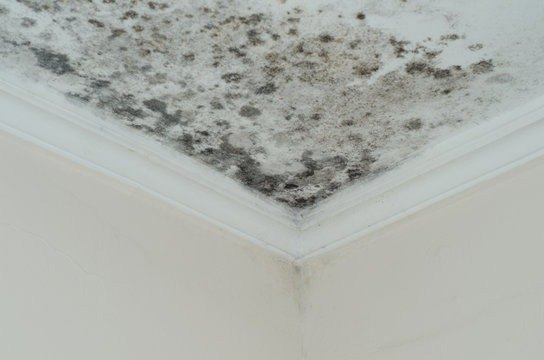
When Professional Mold Removal Is Necessary
When mold is identified as the source of mold allergy symptoms in a household, the appropriate response depends on the extent of the growth. Small surface patches on hard nonporous materials can often be treated with careful DIY methods. However, mold that has penetrated porous building materials, covers a significant area, or is located in hidden spaces such as wall cavities, behind cabinetry, or in ductwork requires professional mold removal.
Professional remediation eliminates the mold colony completely using containment, HEPA vacuuming, and commercial antimicrobial treatment, then verifies through post-remediation testing that spore levels have returned to acceptable levels. For households where a member is experiencing significant health effects from mold exposure, this verification step is particularly important.
Final Considerations
Knowing what are symptoms of mold allergies empowers you to connect persistent health complaints to their real cause rather than accepting ongoing discomfort as unavoidable. Nasal congestion, coughing, watery eyes, skin irritation, fatigue, and worsening asthma are all recognized mold allergy symptoms that warrant investigation when they follow an indoor pattern or persist year-round without a clear seasonal cause.
Mold sickness caused by ongoing mold exposure is both preventable and treatable, but it requires addressing the mold source rather than just managing the symptoms. If you suspect your home may have a mold problem that is affecting your family’s health, the team at The Mold Guys is here to help. With over 25 years of experience serving homes across Southwest and Central Florida, they provide thorough inspection, safe removal, and lasting prevention strategies. Contact The Mold Guys today and take the first step toward a healthier home.
FAQs
Q: How do mold allergy symptoms differ from a regular cold?
A: Colds typically resolve within seven to ten days and may include fever. Mold allergy symptoms persist as long as exposure continues, follow an indoor pattern, worsen in specific rooms, and do not include fever. Improvement when away from home is a key distinguishing sign.
Q: Can mold make you feel tired and foggy even without obvious nasal symptoms?
A: Yes. Fatigue, headaches, and difficulty concentrating are recognized symptoms of significant mold exposure, particularly with mycotoxin-producing species. These systemic symptoms sometimes occur without pronounced nasal or respiratory reactions, especially with prolonged low-level exposure.
Q: How quickly do mold allergy symptoms appear after exposure begins?
A: Symptoms can appear within hours of exposure in highly sensitive individuals. For others, symptoms develop gradually over days or weeks of repeated exposure. Chronic mold sickness from ongoing indoor exposure often builds slowly, making it harder to connect symptoms to a specific source.
Q: Can children develop mold allergies from living in a moldy home?
A: Yes. Children exposed to indoor mold regularly can develop mold sensitivities and are at increased risk of developing asthma. Children with existing respiratory conditions face greater health risks from mold exposure than healthy adults. Addressing mold in family homes promptly protects long-term respiratory health in children.
Q: Will mold allergy symptoms go away after the mold is removed?
A: For most people symptoms improve significantly after the mold source is eliminated and spore levels in the home return to normal. However resolution takes time as the immune system settles after prolonged exposure. People with established mold allergies may continue to react to outdoor spores even after indoor mold is resolved.