
Flooding is one of the most disruptive events a homeowner can face, and in Florida, it is not an uncommon one. Heavy seasonal storms, burst pipes, and storm surge can introduce enormous amounts of water into a home within hours. What many homeowners do not fully appreciate is that the water itself is only the beginning of the problem. Mold removal after flood damage is one of the most time-sensitive tasks in any recovery process, and getting it wrong can turn a manageable situation into a serious long-term health and structural issue. The most critical step is simple: remove standing water and dry all affected materials within the first 24 to 48 hours. Without sustained moisture, mold cannot establish. We will walk through exactly how to do this and every step that follows in the guide below. Mold can begin germinating on wet building materials within 24 to 48 hours of a flood event. In Florida’s warm and humid climate, that timeline is often even shorter. By the time floodwater has been removed and a home looks dry on the surface, mold may already be establishing inside walls, beneath flooring and across structural framing. Knowing the right steps to take immediately after a flood, and understanding when professional help is essential, protects both your property and your family’s health.
Why Flood Damage Creates Ideal Conditions for Mold
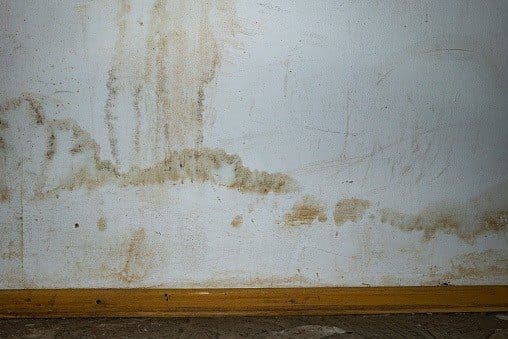
Flooding does not just wet surfaces. It saturates porous building materials deeply and quickly. Drywall, wood framing, insulation, carpet, and subfloors absorb floodwater and retain moisture long after the visible water is removed. In Florida, where outdoor humidity remains elevated throughout most of the year, these materials dry slowly even with mechanical assistance. This combination of warm temperatures, high ambient humidity, and deeply saturated materials is exactly what mold needs. Floodwater also carries organic debris, soil particles, and biological contamination from drains and sewage systems. This organic load provides additional food for mold spores as they germinate and colonize wet surfaces. The longer saturated materials remain in place without treatment, the deeper mold penetrates. Surface cleaning after extended saturation rarely eliminates the problem because the mold has already worked its way into the material beyond what any cleaning product can reach. This is why the speed and thoroughness of the initial response matters so much. Our guide on how long it takes for mold to start growing explains this timeline in detail and highlights why the first 48 hours after a flood are critical.
Steps to Take After Flood Damage for Effective Mold Removal
Step 1: Prioritize Safety Before Entering the Home
Before beginning any flood damage restoration or mold cleanup work, confirm the home is safe to enter. Floodwater can compromise structural integrity, introduce electrical hazards, and carry sewage and chemical contamination. Only enter a flooded home after utility companies have confirmed the electrical system is safe and structural assessments show no risk of collapse. When entering, wear rubber boots, waterproof gloves, an N95 respirator and eye protection. Even before mold becomes visible, floodwater itself contains bacteria, pathogens, and mold spores that pose health risks. This protective gear should be worn throughout every phase of the cleanup process.
Step 2: Remove Standing Water Immediately
Every hour that standing water remains in contact with building materials drives moisture deeper into floors, walls, and framing. Remove standing water as quickly as possible using wet/dry vacuums, submersible pumps, or professional water extraction equipment. For large volumes of water, professional extraction equipment removes significantly more moisture than consumer-grade tools and reduces total drying time substantially. This matters because every hour of reduced drying time lowers the risk of mold establishing in saturated materials. Once bulk water is removed, mop and wipe down hard surfaces to remove residual moisture from floors, baseboards, and lower wall areas.
Step 3: Remove and Dispose of Unsalvageable Materials
This is the step that homeowners most often delay out of reluctance to accept the extent of the damage, and it is the step where that delay causes the greatest long-term harm. Certain building materials cannot be effectively dried or cleaned once they have been saturated by floodwater. Attempting to dry them in place and keep them creates persistent moisture and an ongoing mold source. Materials that should be removed and replaced following significant flood saturation include:
Material | Why It Must Be Removed | Action |
| Drywall | Absorbs moisture into paper/gypsum core | Remove 12″ above flood line |
| Carpet & padding | Cannot be fully dried or decontaminated | Remove and dispose both layers |
| Insulation | Loses performance, becomes mold source | Remove and replace entirely |
| Baseboards & trim | Traps moisture at wall/floor junction | Remove to allow drying behind |
When cutting out drywall, remove it at least 12 inches above the visible flood line. Moisture wicks upward through drywall by capillary action, and the actual extent of saturation is usually higher than it appears on the surface.
Step 4: Dry the Structure Thoroughly and Completely
Once saturated materials have been removed, the remaining structure must be dried completely before any mold cleanup, treatment, or reconstruction begins. This is the most technically demanding part of flood damage restoration and the phase where professional equipment makes the greatest difference.
- Industrial air movers (high-velocity fans) placed strategically throughout the affected space accelerate evaporation from floors, wall cavities and structural framing.
- Commercial dehumidifiers remove the moisture evaporating from surfaces from the air before it can resettle on other surfaces. Consumer-grade dehumidifiers are far less powerful and are not adequate for drying a flood-affected home efficiently.
- Moisture meters are used to monitor the moisture content of structural materials throughout the drying process. Drying is not complete when surfaces feel dry to the touch. It is complete when moisture readings in wood framing and subfloor materials return to acceptable levels, typically below 15 to 19 percent depending on the material.
Professional water damage restoration teams bring all of this equipment and the expertise to deploy it correctly. The cost of professional drying is almost always less than the cost of mold remediation required when drying is inadequate and mold establishes throughout the structure.
Step 5: Clean and Treat All Remaining Surfaces
Once the structure is confirmed dry, all remaining hard surfaces in the affected area should be cleaned and treated with an antimicrobial solution to kill any mold spores that have settled during the flood and drying process.
- Concrete and masonry surfaces including basement floors and foundation walls can be scrubbed with a diluted bleach solution (one cup per gallon of water) or a commercial antimicrobial cleaner approved for flood damage cleanup. Rinse and allow to dry fully.
- Wood framing and subfloor surfaces should be treated with an EPA-approved antimicrobial or mold-inhibiting borate solution. These products penetrate into the wood and slow mold colonization even if spores are present on the surface. Bleach is not recommended on wood because it does not penetrate effectively and can raise the moisture content of the wood, counterproductive to your drying efforts.
- HVAC components and ducts in the flood zone should be inspected and cleaned professionally. Floodwater that enters ductwork leaves behind contamination and mold-supporting debris. Running the HVAC system before ducts are inspected and cleaned can distribute contamination throughout the entire home.
For guidance on using effective natural cleaners as part of this treatment process, our guide on will vinegar kill mold covers when vinegar works well and when stronger treatments are needed.
Step 6: Conduct a Thorough Mold Inspection Before Reconstruction
Before any reconstruction work begins, a formal mold inspection should confirm that mold has not established in areas of the home beyond the flood zone. Mold spores travel through HVAC systems, air movement, and on clothing and tools during cleanup. A professional mold inspection and testing service uses air sampling and surface sampling to verify that spore levels throughout the home are within normal ranges. This step is particularly important in Florida homes where the warm climate and high ambient humidity mean that any spores that settled during the flood event can establish quickly if any residual moisture remains in the structure. Skipping this verification before reconstruction closes up walls and floors is a common mistake that leads to discovering significant hidden mold months later.
Step 7: Address Mold That Is Already Present
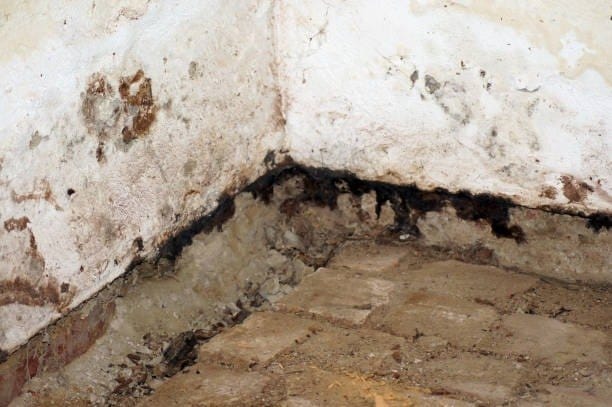
If mold is already visible on remaining structural surfaces when you begin cleanup, it must be treated before reconstruction proceeds. Visible mold on hard nonporous surfaces like concrete can often be treated with commercial antimicrobial products and thorough scrubbing followed by complete drying. However, mold that has been established on wood framing, subflooring, or other porous structural materials requires professional mold cleanup. Surface scrubbing removes visible growth but leaves spores alive in the porous material beneath. Professional mold removal in a post-flood situation uses HEPA vacuuming, physical removal of heavily affected material, and commercial-grade antimicrobial treatment to eliminate the problem thoroughly. If any household members are experiencing respiratory symptoms, headaches, or allergy-like reactions during or after cleanup, do not delay in getting professional assessment. These can be signs of significant mold exposure that warrants immediate professional intervention. For a detailed look at what prolonged mold exposure can cause, our guide on understanding the dangers of mold and how it affects your health provides important context.
Step 8: Rebuild with Mold-Resistant Materials
Once the structure is confirmed clean and dry through professional testing, reconstruction can begin. Choosing the right materials for reconstruction in a flood-affected Florida home significantly reduces future vulnerability.
- Mold-resistant drywall uses a fiberglass facing instead of paper, removing the organic food source that standard drywall provides for mold spores. It is the right choice for any below-grade space, bathroom, laundry room, or other area with elevated moisture risk.
- Closed-cell spray foam insulation resists moisture absorption far more effectively than fiberglass batts and does not support mold growth. In flood-prone areas it is a worthwhile upgrade over standard insulation.
- Mold-inhibiting primer and paint provide an additional layer of protection on wall surfaces in high-risk areas. Apply both as part of any post-flood reconstruction finishing work.
- Sealed and properly installed flooring with an appropriate moisture barrier beneath vinyl plank or other hard flooring prevents ground moisture from becoming a recurring mold source in the rebuilt space.
Preventing Mold After Future Flood Events
Florida homeowners in flood-prone areas benefit significantly from having a response plan in place before a flood occurs. These measures reduce the window between water intrusion and effective drying: Keep contact information for a professional water damage restoration company readily accessible. Response speed in the first 24 hours determines how much of the structure can be saved and how much mold develops. Know the location of your main water shutoff and how to operate it quickly in the event of a pipe failure. Maintain your HVAC system, gutters, and foundation drainage systems regularly to reduce the likelihood of flood-related water intrusion beyond weather events. Install sump pumps with battery backup in basements and below-grade spaces. A functioning sump pump significantly reduces the volume of water that enters the lowest level of the home during a flood. After any mold remediation and reconstruction, follow the maintenance steps outlined in our guide on what to do after mold remediation to keep your home mold-free to ensure lasting results.
When to Call a Professional for Flood Mold Cleanup
Professional help is not optional when flood damage is significant. Call a professional flood damage restoration and mold cleanup company when:
- Floodwater covered more than a small area of the home
- Floodwater was present for more than a few hours before removal began
- Sewage or contaminated water was part of the flood event
- Visible mold is already present anywhere in the home
- Musty odors persist after initial cleanup and drying
- Any structural material including drywall, framing, or subfloor shows signs of saturation
The Mold Guys serve homeowners across Southwest and Central Florida with comprehensive water damage restoration and mold removal after flood events. With over 25 years of experience in the Florida climate, they understand the specific urgency that warm temperatures and high humidity create in post-flood situations.
The Bottom Line
Mold removal after flood damage in Florida is a time-sensitive process that requires the right steps in the right order. Removing standing water quickly, eliminating saturated materials that cannot be dried, drying the structure completely with professional equipment, and treating all surfaces before reconstruction are the foundation of effective flood damage restoration. Skipping or rushing any of these steps creates conditions for mold to establish and spread, often invisibly, until it becomes a far larger problem than the flood itself. If your home has experienced flooding, do not wait to see whether mold develops. Contact The Mold Guys today for immediate professional assessment and the comprehensive mold cleanup and water damage restoration services your home needs. Reach out now and protect your home from the long-term consequences of flood damage.
FAQs
Q: How quickly does mold grow after a flood in Florida?
A: In Florida’s warm humid climate mold can begin germinating on wet surfaces within 24 to 48 hours of flooding. Warm temperatures accelerate this timeline significantly. Professional water extraction and drying should begin within the first 24 hours to reduce mold risk.
Q: Do I have to replace drywall after a flood?
A: Drywall that has been saturated for more than 24 to 48 hours or that shows any mold growth must be removed and replaced. Wet drywall cannot be dried effectively from the inside and becomes a persistent mold source if left in place after significant flooding.
Q: Can I do flood mold cleanup myself?
A: Small isolated water events with limited material saturation may be manageable with careful DIY mold cleanup. However, significant flooding involving large areas, sewage contamination, or extended saturation requires professional flood damage restoration equipment and expertise for safe and complete resolution.
Q: How long does it take to dry a flood-damaged home?
A: Professional drying of a flood-affected home typically takes three to five days using industrial air movers and commercial dehumidifiers. The timeline depends on the extent of saturation, the materials involved, and ambient humidity conditions. Moisture meter readings confirm when drying is complete.
Q: Will my homeowner’s insurance cover mold removal after a flood?
A: Standard homeowner’s insurance typically does not cover flood damage. Flood insurance through FEMA’s National Flood Insurance Program may cover water damage restoration and related mold cleanup depending on your policy terms and the cause of the flood. Review your policy and contact your insurer immediately after any flood event.