
The laundry room is one of the most overlooked spaces when it comes to mold prevention, yet it is consistently one of the highest-risk rooms in any home. It combines heat, moisture, limited ventilation, and organic residue from clothing into a near-perfect environment for mold growth. In most cases, the fastest way to stop it is to cut off the moisture source first, whether that is a closed washing machine door, a blocked dryer vent, or a slow plumbing drip behind the appliances. If you’ve noticed a musty smell that lingers even after washing, dark spots on walls or around the washing machine, or unexplained respiratory irritation when spending time near the laundry area, you may already be dealing with black mold in laundry room spaces, and this guide will walk you through exactly what to look for and how to address it.
The challenge with laundry room mold is that it often goes undetected for a long time. The space is frequently small, dimly lit, and used quickly without much inspection. Mold can establish behind the washing machine, beneath the dryer, inside the appliances themselves, on the lower wall surfaces near the floor, and in the ceiling corners above the dryer vent, all areas that rarely get a close look during routine use.
This guide walks you through the specific signs of black mold in laundry rooms, where it most commonly hides, how to treat it safely, and the prevention steps that keep it from returning.
Why Laundry Rooms Are So Prone to Mold
Understanding what creates the conditions for mold in laundry rooms helps you know where to look and what to change. Several factors combine to make this space unusually vulnerable.
- Constant moisture production. Washing machines use large amounts of water with every cycle. Steam from hot water cycles, humidity from wet laundry sitting in the drum, and the heat generated by both the washer and dryer raise the moisture level in the laundry room significantly during and after use.
- Dryer venting issues. A dryer vent that is partially blocked, kinked, or venting poorly allows warm moist air to back up into the room rather than exhausting fully to the outside. This adds a significant and continuous source of humidity to an already moisture-rich environment.
- Limited airflow. Laundry rooms are often small interior spaces with no windows or a single small window that is rarely opened. Without adequate ventilation humid air accumulates and settles on walls, ceilings, and the surfaces of appliances.
- Organic residue on appliances and surfaces. Detergent residue, fabric softener buildup, lint, and the organic matter from clothing all provide food sources for mold spores once moisture is present. These residues accumulate inside washing machine drums, around door seals, in detergent dispensers, and on surrounding surfaces.
- Slow plumbing leaks. The supply lines and drain hoses connected to the washing machine are common sources of slow drips that go unnoticed for weeks or months. Water dripping behind or beneath the appliance creates persistent dampness in areas that are difficult to see and inspect.
Common Signs of Black Mold in Laundry Rooms
These are the most reliable indicators that mold has established in your laundry room, even before visible growth becomes obvious.
Persistent musty smell
This is the earliest and most consistent sign of mold in any enclosed space. A musty smell in the laundry room that does not go away with ventilation or cleaning, that intensifies when the washing machine runs, or that is noticeably stronger when you open the appliance door is a strong indicator of active mold growth somewhere in the room. Our guide on how to remove mold odor explains why this smell develops and the most effective ways to eliminate it at the source.
Dark spots or discoloration on walls and ceilings
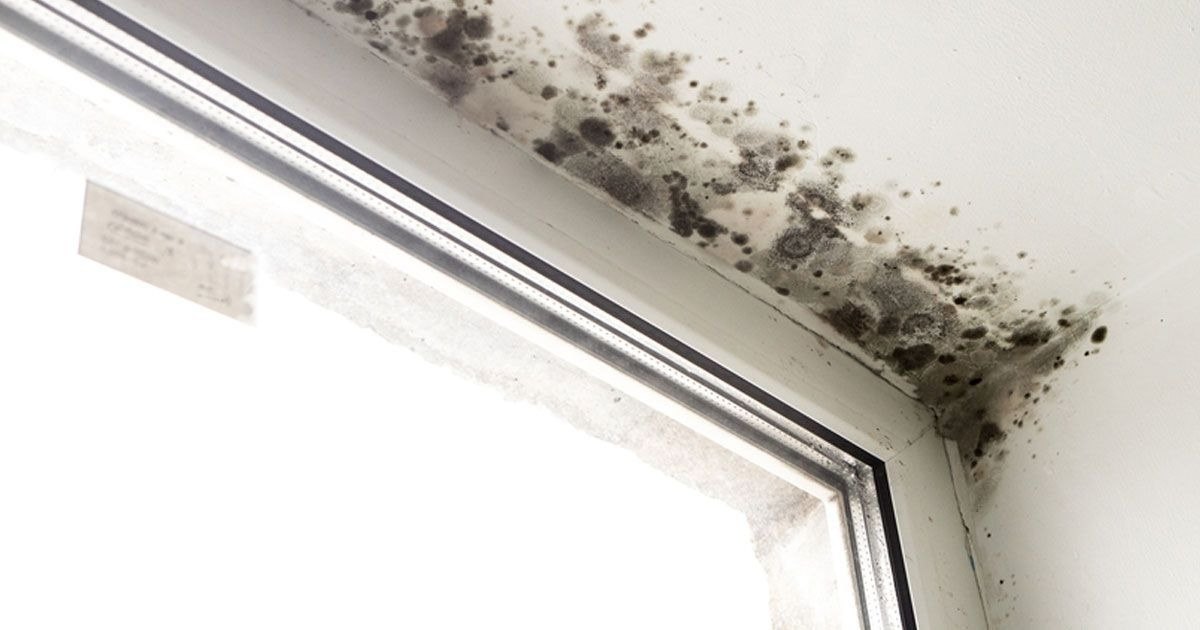
Black, gray, or green patches on the lower portions of walls near the floor, in ceiling corners above the dryer, around the dryer vent opening, or on the wall behind the appliances are visual signs of mold growth. These patches often appear fuzzy or slightly raised and may be accompanied by a darkening of grout between tiles.
Discoloration or sliminess inside the washing machine
Dark or pinkish-black residue around the drum door seal, inside the detergent dispenser drawer, or around the drum itself is a clear sign of mold in washing machine spaces. This is extremely common in front-loading machines because the rubber gasket around the door traps moisture and detergent residue between uses.
Staining or soft spots on flooring
Discoloration on vinyl, tile, or any flooring material near the base of the washing machine or along the wall can indicate a slow leak that has been introducing moisture for some time. Soft or slightly spongy flooring near the appliances suggests that moisture has penetrated beneath the floor surface.
Health symptoms that worsen in the laundry area
Sneezing, coughing, throat irritation, or watery eyes that occur specifically when you are in or near the laundry room are worth taking seriously. Mold spores released from an active colony in the room become airborne and concentrated in a small enclosed space, creating higher exposure than in larger rooms. Our comprehensive guide on understanding the dangers of mold and how it affects your health covers the full range of health effects from mold exposure.
Black mold signs behind or beneath appliances
Pull the washing machine and dryer away from the wall periodically and inspect the floor and wall surfaces behind them. This is one of the most common locations for hidden mold growth in a laundry room because it is dark, rarely inspected, and often has a slow drip from supply lines or drain hoses nearby.
Where Black Mold Hides in Laundry Rooms
Laundry room mold concentrates in predictable locations. Knowing where to look makes early detection far more likely.
- The washing machine door seal. Front-loading washing machines have a rubber gasket around the door opening that folds into itself when the door is closed. This fold traps water, detergent residue, lint, and organic debris from clothing after every cycle. Without regular cleaning and airing, this area develops black mold in washing machine seals very quickly, often within a few weeks of the appliance being purchased and used regularly.
- The detergent dispenser drawer. The sliding drawer that holds detergent, fabric softener, and bleach accumulates residue that combines with moisture trapped inside the drawer housing. Mold grows readily in this dark, moist, organic-rich environment.
- The drum interior between uses. When a front-loading washing machine door is kept closed between uses the drum interior stays damp. Mold can be established on the drum surface and the inner door glass.
- Wall surfaces behind and around appliances. The wall behind the washer and dryer is often close to plumbing connections and the dryer vent duct. Minor condensation, drips from connections, and humidity from a poorly venting dryer keep this area persistently damp.
- The dryer vent duct and wall opening. Lint accumulation inside the dryer vent duct retains moisture and provides organic material for mold. The wall area around the vent opening where warm moist air contacts the cooler wall surface is also prone to condensation and mold growth.
- Floor surfaces and subfloor beneath appliances. Slow drips from supply lines or drain hoses fall directly onto the floor beneath the appliances where they are not visible. Over time this creates the conditions for mold on the floor surface and potentially in the subfloor below.
- Ceiling corners near the dryer. Warm moist air rising from the dryer contacts the cooler ceiling surface in the corners of the room and condensation forms. Mold often appears first in these corners before spreading down the walls.
How to Clean Mold in Your Laundry Room
For mold that is limited to surfaces and has not penetrated into walls or structural materials, the following cleaning steps are effective. Always wear an N95 respirator, rubber gloves, and eye protection before beginning any mold cleaning work.
- Cleaning the washing machine door seal: Mix equal parts white vinegar and water in a spray bottle. Spray generously into and around the rubber gasket fold, allow it to sit for 15 to 20 minutes, then scrub with a soft-bristle toothbrush to reach inside the folds. Wipe clean with a damp microfiber cloth. Follow up with a spray of hydrogen peroxide, allow it to sit for 10 minutes, and wipe dry. Leave the door open after every wash cycle going forward to allow the seal to dry between uses. For a complete guide to treating mold in washing machine appliances, our blog on how to remove mold from washing machine and stop it from returning covers every component in detail.
- Cleaning the detergent dispenser: Remove the drawer completely if it is designed to be detachable. Soak it in a mixture of warm water and white vinegar for 30 minutes. Scrub all surfaces with a brush, rinse thoroughly, and allow it to dry fully before reinserting. Clean inside the housing where the drawer slides using a damp cloth moistened with vinegar solution, reaching as far back as possible.
- Running a cleaning cycle: After cleaning the door seal and dispenser, run an empty hot water cycle with two cups of white vinegar added directly to the drum. Follow with a second empty cycle using half a cup of baking soda. This cleans the drum interior, drain pump, and internal components where mold spores may have settled.
- Cleaning wall and floor surfaces: Spray affected wall and floor surfaces with undiluted white vinegar and allow it to sit for 30 to 60 minutes before scrubbing with a stiff brush and rinsing. For tile grout and floor joints showing heavy mold staining, a baking soda paste applied before scrubbing improves results. Dry all surfaces completely using a fan directed out of the room after cleaning.
- Cleaning behind appliances: Pull both appliances away from the wall. Inspect supply line connections and drain hoses for any drips or slow leaks and fix them before cleaning. Scrub the wall and floor surfaces in this area with vinegar solution, rinse, and dry thoroughly before pushing appliances back into position.
For wall surfaces showing extensive mold growth or discoloration that persists after cleaning, read our guide on how to remove mold from walls without damaging the paint for surface-specific treatment approaches.
Preventing Black Mold in the Laundry Room
Once you have cleaned existing mold the prevention steps below address the moisture conditions that created it, making regrowth significantly less likely.
Leave the washing machine door open between uses. This single habit makes a dramatic difference in washing machine mold prevention. An open door allows the drum interior and door seal to dry fully between cycles. Even leaving the door slightly ajar is sufficient. Wipe the door seal dry with a cloth after every wash for maximum effect.
Clean the door seal and dispenser monthly. A monthly cleaning of the door seal and detergent drawer with white vinegar prevents the buildup of residue and mold before it becomes visible. This takes only a few minutes and eliminates the conditions that allow mold to establish between deeper cleanings.
Inspect and clean the dryer vent annually. Have the dryer vent duct professionally cleaned or clean it yourself using a dryer vent brush kit once a year. A clear vent exhausts moist air fully to the outside, removing one of the primary humidity sources in the room. Check the exterior vent cap to confirm it opens fully when the dryer runs and closes completely when it stops.
Install and use a ventilation fan. If your laundry room does not have an exhaust fan, installing one and running it during laundry cycles and for 20 minutes afterward removes accumulated humidity from the space effectively. This is one of the most impactful structural improvements you can make to a mold-prone laundry room.
Check supply lines and drain hoses regularly. Inspect washing machine supply lines and drain hoses every few months for signs of wear, moisture, or mineral buildup at the connections. Replace braided stainless steel supply lines every five years proactively. A supply line failure can release significant water quickly, and even slow drips from aging connections create persistent under-appliance moisture that supports mold growth.
Fix any plumbing issues promptly. Any drip from a laundry room pipe, whether from supply lines, a utility sink, or through-wall plumbing, should be repaired immediately. The enclosed nature of laundry rooms means moisture from even a small leak concentrates quickly. For guidance on addressing water damage that has already occurred, our water damage restoration service page covers the professional drying and restoration process.
Use high-efficiency detergent in the right quantity. Excess detergent creates more residue buildup in the machine and more suds that leave organic deposits in the drum and seal. Use only the recommended amount of HE detergent in high-efficiency front-loading machines. This simple adjustment significantly reduces the buildup that mold feeds on inside the appliance.
When to Call a Professional
Some laundry room mold situations require professional assessment rather than DIY cleaning. Call a professional mold removal service when:
- Mold covers more than a small surface area on walls or ceiling
- You find mold growth behind the wall surface or inside wall cavities near plumbing connections
- A musty smell persists after thorough cleaning of all appliances and surfaces
- Mold returns to the same locations within a few weeks of cleaning
- The floor beneath appliances shows soft spots or discoloration suggesting subfloor moisture damage
- Any household member is experiencing respiratory symptoms linked to time spent in the laundry area
A professional mold inspection can identify mold growing in areas not accessible during a standard cleaning, including inside wall cavities, beneath flooring, and in structural framing near plumbing connections. Professional remediation eliminates the problem thoroughly rather than temporarily.
Final Thoughts
Black mold in laundry room spaces is a common problem with a predictable set of causes and warning signs. A persistent musty smell, dark patches on walls or inside appliances, discoloration near the base of walls, and health symptoms when using the room are the key signals to watch for. The washing machine door seal, detergent dispenser, wall surfaces behind appliances, and floor areas beneath supply line connections are the places to inspect first.
Consistent prevention habits including leaving the machine door open, monthly appliance cleaning, annual dryer vent inspection, and proper ventilation significantly reduce how often mold becomes a problem in this space. When the problem has already been established beyond surface level, professional help ensures it is resolved completely.
The team at The Mold Guys has over 25 years of experience helping Florida homeowners eliminate mold from every corner of their homes, including the spaces that are easy to overlook. Contact us for a thorough inspection and lasting solution.
FAQs
Q: How do I know if the musty smell in my laundry room is from mold?
A: A musty smell that worsens when the washing machine runs or when you open the appliance door, and that does not go away with regular cleaning, is a strong sign of active mold growth. Check the door seal, detergent dispenser, and wall surfaces behind appliances for visible growth.
Q: Is black mold in the laundry room dangerous?
A: Yes. Black mold releases spores and mycotoxins into the air of an enclosed space. Regular time spent in a laundry room with active mold growth leads to respiratory irritation, allergic reactions, and worsened asthma symptoms. Vulnerable individuals including children and the elderly face greater health risks from prolonged exposure.
Q: How do I get rid of mold inside my front-loading washing machine?
A: Clean the door seal thoroughly with white vinegar solution and a brush to remove residue from the rubber folds. Clean the detergent drawer and run a hot empty cycle with white vinegar followed by a baking soda cycle. Leave the door open between uses going forward to allow the interior to dry completely.
Q: What causes mold to keep coming back in the laundry room?
A: Recurring mold means the moisture source creating ideal growth conditions has not been resolved. Common causes include a closed washing machine door between uses, a blocked dryer vent, a slow supply line drip, insufficient room ventilation, or excess detergent residue building up in the machine and on surrounding surfaces.
Q: When does laundry room mold require professional treatment?
A: Professional treatment is needed when mold covers more than a small surface area, is growing inside wall cavities or beneath flooring, returns quickly after cleaning, or is accompanied by persistent musty odors that cleaning does not resolve. A professional mold inspection identifies hidden growth not visible during standard surface cleaning.