
Buying a home is one of the largest financial commitments most people make in their lifetime. Most buyers invest in a general home inspection before closing, which covers structural components, electrical systems, plumbing, and HVAC. What a standard home inspection typically does not include is a dedicated mold assessment, which means buyers can close on a property with an active mold problem and have no formal documentation of it until they begin living in the home and experiencing the consequences.
A mold test before buying house is not a routine step that every buyer thinks to request, but in Florida it should be. The combination of warm temperatures, high humidity, frequent storms, and the prevalence of older homes that may have experienced undisclosed water damage makes mold one of the most common undisclosed issues in Florida real estate transactions. We will walk through why this test matters, what it involves, what it can reveal, and how to use the results to protect yourself before you sign.
Why Mold Is Particularly Common in Florida Homes for Sale
Florida’s climate creates persistent mold pressure that does not exist in most other housing markets. Understanding the specific risk factors helps explain why a standard home inspection is not sufficient for a Florida purchase.
High Year-Round Humidity
Outdoor humidity in Florida regularly exceeds 70 to 80 percent during the long summer season and rarely drops below comfortable mold-growth thresholds even in winter months. Homes that have periods of vacancy between occupants, or that had AC systems set too high to reduce utility costs while listed, frequently develop mold during these vacancy periods simply from ambient humidity accumulation.
Hurricane and Storm History
Any Florida home older than a few years has likely experienced at least one significant storm event. Roof damage, window seal failures, storm surge flooding, and rain-driven water intrusion are common after major storms. Sellers who repaired visible damage without properly drying and testing affected materials may have inadvertently enclosed active mold colonies behind new drywall or flooring. A mold assessment is the only way to identify this scenario before purchase.
Older Home Construction
Many desirable Florida homes were built in the 1970s, 1980s, and 1990s using building practices and materials that are now known to be more vulnerable to moisture intrusion and mold development. Flat roofs, single-pane windows, minimal vapor barriers, and HVAC ductwork running through unconditioned attic spaces are features common in older Florida homes that create elevated ongoing mold risk.
Disclosure Limitations
Florida law requires sellers to disclose known material defects, but sellers can only disclose what they know or reasonably should have known. Hidden mold growing inside wall cavities, beneath flooring, or in attic spaces may genuinely be unknown to the seller. A mold test before buying a house places the buyer in the position of knowing what the seller may not, which is far preferable to discovering the same information after closing when all repair responsibility has transferred.
What a Standard Home Inspection Does and Does Not Cover
Understanding the limitations of a standard home inspection helps explain why a separate mold test before buying house is necessary rather than redundant.
A general home inspector assesses visible and accessible components of the home. They look at structural elements, roofing condition, electrical panels, plumbing fixtures, HVAC equipment function, and insulation. They do not typically take air samples, use moisture meters on wall surfaces, inspect ductwork interiors, or deploy thermal imaging cameras to identify moisture trapped inside building cavities.
This means a home inspection can confirm that a roof does not currently leak and that the HVAC system turns on correctly, but cannot tell you whether a past roof leak created mold inside the attic, or whether the HVAC ductwork has air duct mold that is currently being distributed through every room.
A mold assessment fills exactly this gap.
What a Home Mold Inspection Before Purchase Involves
A professional home mold inspection conducted as part of a pre-purchase due diligence process is a comprehensive assessment of the property’s current mold status and moisture risk factors.
Visual Inspection of High-Risk Areas
The inspector conducts a systematic visual assessment of all areas where mold commonly develops or where previous moisture problems are most likely to have occurred. This includes the attic, basement or crawl space, all bathrooms and kitchen areas, under-sink cabinet interiors, laundry room, HVAC closet and accessible duct sections, around all window frames, and along the base of exterior walls.
Visible mold growth, staining consistent with past moisture, paint bubbling or peeling, and soft or discolored drywall are all documented during the visual phase.
Moisture Meter Assessment
Professional inspectors use moisture meters to measure the moisture content of wall surfaces, ceiling areas, and flooring throughout the home. Readings above safe thresholds in areas not associated with a current active leak indicate either ongoing moisture intrusion or past saturation that did not dry properly. These elevated moisture zones are exactly where mold is most likely to be present or developing inside the material.
Thermal Imaging
Many professional mold inspectors use thermal imaging cameras to identify temperature differentials in walls, floors, and ceilings that indicate moisture trapped inside building cavities. This technique allows detection of hidden moisture without any destructive opening of walls, which is particularly important in a pre-purchase context where the buyer does not yet own the property and significant invasive testing requires seller cooperation.
Air Sampling
Air sampling collects a measured volume of indoor air from different rooms of the home and compares the spore species and concentrations found to an outdoor control sample. Rooms with significantly elevated spore counts or with indoor species not present in the outdoor sample indicate active mold growth somewhere in that area of the home even when no visible source can be identified.
Surface and Bulk Sampling
Where visible mold is found or where a suspicious surface requires identification, the inspector takes swab samples or small material samples for laboratory analysis. This confirms whether the growth is mold, identifies the species, and in the case of black mold detection, provides the information needed to plan appropriate remediation.
What a Mold Assessment Can Reveal That Protects the Buyer
The value of a pre-purchase mold assessment goes beyond simply confirming whether mold is present. The findings provide actionable information that can meaningfully affect the purchase decision and negotiation.
Finding | Buyer’s Position |
No elevated moisture, no mold detected | Purchase proceeds with confidence, baseline established for future comparison |
Elevated moisture without visible mold | Negotiate for moisture source investigation and correction before closing |
Surface mold in limited area on nonporous material | Request remediation credit or professional cleanup before closing |
Mold in porous building materials requiring removal | Negotiate significant price reduction or require professional remediation as purchase condition |
Hidden mold in wall cavities confirmed by air sampling | Request full professional remediation and post-remediation testing before closing |
Widespread black mold contamination | Reconsider purchase entirely or require full remediation with post-remediation air testing confirmation |
Each of these findings gives the buyer a documented basis for negotiation that would not be available without the formal assessment. Sellers who are aware of mold issues may have priced the property accordingly. Sellers who are unaware benefit from the disclosure as well, since undisclosed material defects discovered after closing can create legal disputes that neither party wants.
The Cost of Skipping a Mold Test Before Buying
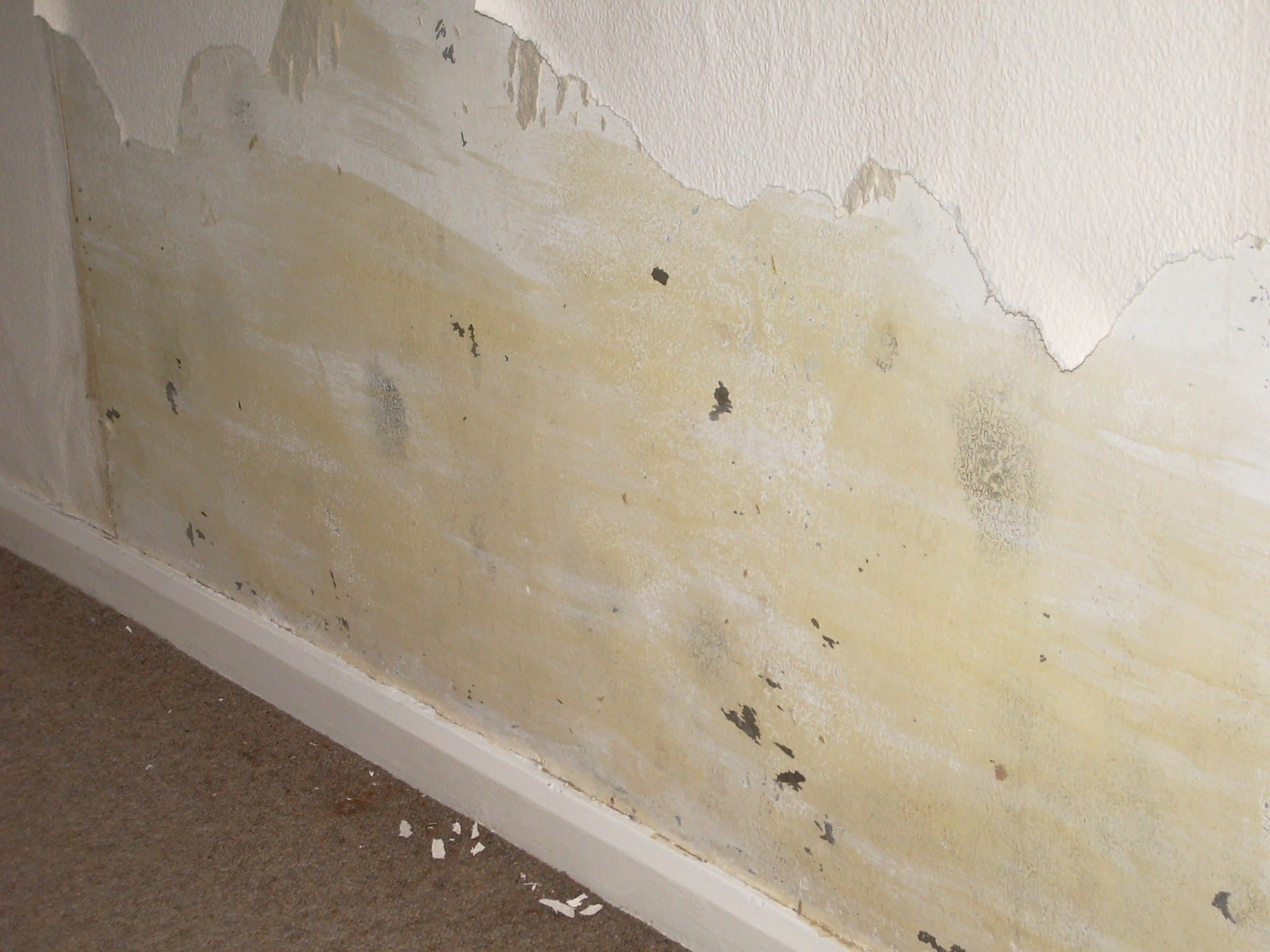
The cost of a professional mold test before buying a house is modest compared to the cost of discovering a significant mold problem after closing when all remediation expenses belong entirely to the new owner.
Professional mold remediation costs depend on the extent of contamination, the materials involved, and the scope of work required. Minor surface remediation in a single room may cost a few hundred dollars. Remediation involving wall cavity mold, attic contamination, or widespread air duct mold can cost several thousand to tens of thousands of dollars depending on the scope. Black mold removal in structural materials is among the most expensive remediation scenarios.
A buyer who skips the mold test before buying house and discovers significant contamination after closing assumes the full cost of a problem that existed before they took ownership. A buyer who conducts the test has the option to negotiate, require remediation as a purchase condition, adjust the offer price to reflect the remediation cost, or walk away from a property that represents too significant a risk.
Using Mold Test Results in the Purchase Negotiation
Mold test results documented by a professional are not just informational. They are negotiating tools when findings require action.
When mold is discovered through a pre-purchase inspection, the buyer has several options for how to use that information.
Request seller-funded remediation before closing. The seller arranges and pays for professional remediation and provides post-remediation air sampling results confirming successful treatment. Closing is contingent on acceptable results.
Negotiate a price reduction reflecting remediation costs. The buyer accepts the property as-is with a documented price reduction that covers the estimated professional remediation cost. The buyer then arranges remediation after closing.
Request an escrow holdback. A portion of the purchase price is held in escrow pending completion of remediation after closing. This protects the buyer if the cost of remediation exceeds the original estimate.
Walk away under the inspection contingency. Most purchase contracts include an inspection contingency period during which the buyer can withdraw from the purchase if inspection findings are unacceptable. Mold test results discovered during this period provide the documented basis for exercising this contingency without penalty.
For any of these negotiation paths, working with trusted mold removal experts who can provide a written remediation estimate based on the inspection findings gives the buyer the documented information needed to negotiate effectively.
How to Arrange a Pre-Purchase Mold Inspection
Once you have an accepted offer on a property and are in the inspection contingency period, arrange the mold assessment to run alongside or immediately after the general home inspection. This timing allows findings from both inspections to inform your negotiation simultaneously rather than sequentially.
Select a mold inspection and testing company that provides written reports with laboratory results. Verbal assessments are not useful for negotiation purposes. The written report should include moisture meter readings, air sampling results with laboratory analysis, photographs of all findings, and a clear summary of the inspector’s conclusions about current mold status and risk factors present in the property.
In Florida, prioritize inspectors with experience in the specific building types and climate conditions common to the area you are purchasing in. An inspector familiar with Florida construction practices and local humidity patterns provides more contextually relevant findings than one applying generic national standards to a Florida-specific property.
After Purchase: Maintaining a Mold-Free Home
If the mold test before buying a house comes back clean and you proceed with the purchase, establishing a proactive maintenance routine protects that clean result going forward.
Keep indoor humidity consistently below 50 percent through regular air conditioning use and supplemental dehumidification where needed. In Florida, never turn the AC off entirely during vacancy periods. Set it no higher than 82°F to maintain dehumidification of the indoor air even when the home is unoccupied.
Inspect high-risk areas including bathrooms, under-sink cabinets, the laundry room, and the attic seasonally. After any storm event, inspect the attic and exterior wall areas for any new moisture intrusion before it has time to produce mold.
Schedule a repeat professional mold assessment every two to three years or after any significant water event. The baseline established by your pre-purchase inspection makes future assessments more meaningful because you have a documented starting point for comparison.
For guidance on long-term prevention practices specific to Florida’s climate, our guide on how to prevent mold in tropical climates provides practical year-round maintenance strategies.
Final Thoughts
A mold test before buying a house is not a luxury step for cautious buyers. In Florida’s climate and housing market, it is a practical due diligence measure that protects both your financial investment and your family’s health. The cost of a professional home mold inspection is minor relative to the cost of undiscovered contamination discovered after closing. The information it provides gives you negotiating leverage, documented evidence, and the confidence to make a fully informed purchase decision.
The team at The Mold Guys provides comprehensive pre-purchase mold assessments across Southwest and Central Florida. With over 25 years of experience as trusted mold removal experts in the Florida market, they deliver the thorough inspection, laboratory testing, and written reporting that buyers need to make informed real estate decisions. Contact The Mold Guys today to schedule your pre-purchase mold assessment before your inspection contingency expires.
FAQs
Q: Is a mold inspection the same as a standard home inspection?
A: No. A standard home inspection covers structural and mechanical components visually. A mold inspection includes air sampling, moisture meter readings, thermal imaging, and laboratory analysis specifically designed to detect mold and elevated moisture conditions that a general inspection does not assess.
Q: Who pays for a mold test before buying a house?
A: Typically the buyer arranges and pays for a pre-purchase mold inspection as part of due diligence. If significant mold is discovered, the buyer can negotiate for the seller to fund professional remediation or provide a price reduction that covers the remediation cost before closing proceeds.
Q: What happens if mold is found during a pre-purchase inspection?
A: The buyer can negotiate seller-funded remediation before closing, request a price reduction reflecting remediation costs, require an escrow holdback for post-closing remediation, or walk away under the inspection contingency if findings are unacceptable. A written mold report provides the documented basis for any of these options.
Q: How long does a pre-purchase mold inspection take?
A: A thorough pre-purchase home mold inspection typically takes two to four hours depending on the size of the property. Laboratory analysis of air and surface samples adds several business days to the timeline before written results are available. Plan accordingly within your inspection contingency period.
Q: Can sellers hide mold from a pre-purchase inspection?
A: Professional mold inspection uses air sampling and thermal imaging that detect elevated spore counts and hidden moisture even when visible mold has been painted over or covered. While deliberate concealment may affect a visual inspection, these technical methods significantly reduce the ability to hide active or past mold problems from a thorough assessment.