
When mold is discovered in a home, many homeowners assume there is time to research options, get multiple quotes, and schedule work at a convenient time. In most situations that assumption is wrong. Mold does not pause while you make decisions. It grows continuously as long as moisture and organic material are present, and in Florida’s warm humid climate that growth moves faster than in almost any other environment. 24 hour mold remediation exists precisely because the window between discovering mold and containing it before it spreads significantly is far shorter than most people realize.
The most critical reason to act within 24 hours is this: mold releases spores into your indoor air continuously as it grows, and those spores are what your family breathes. Every hour an active mold colony remains untreated is another hour of elevated spore concentration in the air supply of your home. We will walk through exactly why speed matters in mold remediation, what the 24 hour response process involves, and how to recognize the situations that cannot wait for a standard appointment window.
Why Mold Cannot Wait: The Growth Timeline
Mold is not a static problem. It is a living organism that reproduces and expands continuously when the right conditions are in place. Understanding the growth timeline explains why emergency mold remediation is not an overreaction. It is the appropriate response to a time-sensitive biological process.
What Happens in the First 24 Hours
Within the first 24 hours of a moisture event, mold spores that are always present in indoor environments begin germinating on wet surfaces. No visible growth appears at this stage but the colonization process has started. The mold is establishing root-like structures called hyphae that anchor into porous materials like drywall, wood, grout, and insulation. These structures allow the mold to access the organic material inside these surfaces as a food source.
Between 24 and 72 Hours
Visible patches begin appearing on affected surfaces. A musty odor often becomes noticeable. The colony expands outward across the surface while simultaneously penetrating deeper into the material. Spore production intensifies as the colony matures, meaning airborne spore counts in the affected room begin rising measurably during this period.
Beyond 72 Hours
Established colonies continue expanding and new colonies start forming on adjacent surfaces as released spores land and find moisture. If the HVAC system is running, spores distribute throughout every connected room. What began as a localized problem in one area has the structural conditions to become a whole-home contamination within one to two weeks.
This timeline is why 24 hour mold remediation is not about convenience. It is about interrupting an active biological process before it reaches the stage where containment requires far more extensive intervention.
What Mold Spores Do to Your Family’s Health
The health impact of mold is not limited to visible growth. It is driven by the spores that active colonies release into your indoor air supply. These spores are microscopic and remain suspended in the air for extended periods after being disturbed or released, which means they are inhaled during normal daily activity in the home.
Short-Term Mold Exposure Symptoms
In the short term, elevated indoor mold spore levels produce allergic responses including nasal congestion, sneezing, coughing, watery eyes, throat irritation, and skin reactions. For household members with asthma or existing respiratory conditions, these symptoms are more severe and can include wheezing and breathing difficulty.
Why Black Mold Is Especially Urgent
Black mold, specifically Stachybotrys chartarum, adds an additional layer of urgency because it produces mycotoxins alongside spores. These toxic compounds are released into the air and absorbed through inhalation and skin contact. Mycotoxin exposure produces neurological symptoms including headaches, cognitive difficulty, and fatigue in addition to the standard allergic response. Black mold removal should never be delayed once the species is confirmed or strongly suspected. Our guide on how fast black mold spreads explains how quickly a black mold colony can move through a home when left untreated.
Long-Term Effects of Delayed Treatment
Families who live with unresolved mold for extended periods face the risk of chronic respiratory conditions, persistent immune system activation, and neurological effects that do not resolve quickly even after the mold source is finally eliminated. The faster emergency mold remediation begins, the lower the cumulative exposure your family experiences and the lower the risk of these longer-term health consequences developing.
For a comprehensive overview of health effects by exposure duration, our guide on understanding the dangers of mold and how it affects your health covers both short and long-term impacts in detail.
Situations That Require 24 Hour Emergency Mold Remediation
Not every mold situation demands an emergency same-day response, but several specific circumstances create conditions where a 24 hour response window is genuinely necessary to protect health and limit damage.
Situation | Why It Cannot Wait |
Flooding or storm surge inside the home | Mold germination begins within 24 hours on saturated materials |
Burst pipe or major appliance leak | Standing water and saturated drywall create rapid growth conditions |
Visible black mold on any surface | Mycotoxin production is ongoing and harmful while the colony is active |
Mold discovered near HVAC vents or air handler | Active distribution of spores throughout the entire home via ductwork |
Household member with asthma, allergies, or immune compromise | Elevated spore levels create immediate health risk for vulnerable individuals |
Mold covering more than 10 square feet | Growth at this scale indicates deep material penetration requiring immediate containment |
Musty odor with no visible source | Hidden mold behind walls or under flooring typically indicates significant established growth |
If your situation matches any row in this table, waiting for a standard scheduling window is likely to increase both the scope of the remediation required and the health exposure your household experiences in the interim.
What the 24 Hour Mold Remediation Process Involves
Professional emergency mold remediation within a 24 hour response window is not a rushed or incomplete version of standard remediation. It is a fully structured process executed with urgency. Here is what it involves from initial response through completion.
Rapid Assessment and Moisture Mapping
The first step is a thorough assessment of the affected area using moisture meters, thermal imaging cameras, and visual inspection to determine the full extent of mold growth and the moisture source driving it. This step cannot be skipped even in an emergency response because treating visible mold without identifying the moisture source guarantees recurrence.
Professional mold inspection and testing during the assessment phase may include air sampling to establish current spore levels and surface sampling to identify the mold species present. Knowing whether black mold is involved influences the containment and personal protection protocols used during remediation.
Immediate Containment
Before any physical treatment begins, the affected area is sealed off from the rest of the home using plastic sheeting and negative air pressure equipment. This critical step prevents spores disturbed during remediation from migrating to unaffected rooms. In a standard appointment scenario, some homeowners skip this step entirely during DIY cleanup. In professional emergency mold remediation, containment is non-negotiable regardless of how small the visible affected area appears.
Negative air pressure machines exhaust air from the contained space to the outside, ensuring that any spores released during cleaning and material removal cannot travel to other areas of the home through normal air movement.
HEPA Vacuuming and Surface Treatment
Once containment is established, HEPA vacuums remove loose mold spores from all affected surfaces before scrubbing or treatment begins. This order of operations matters. Scrubbing before vacuuming releases spores into the air inside the contained space at high concentrations. HEPA vacuuming first captures the loose surface spores before physical disturbance.
Following vacuuming, commercial-grade antimicrobial treatments are applied to all affected surfaces. These products are significantly more effective than household cleaning agents and are specifically formulated to penetrate into porous materials where surface-level treatments cannot reach.
Material Removal Where Necessary
Drywall, insulation, baseboards, and other porous materials that have been saturated or that show significant mold penetration must be physically removed. This is the step that distinguishes professional mold remediation from surface cleaning. Mold that has penetrated into the material cannot be eliminated by treating the surface alone. The affected material must come out.
In a 24 hour emergency response, this step proceeds the same day when possible rather than being scheduled for a follow-up visit. Leaving penetrated materials in place while the moisture source is still present simply allows continued growth during the delay. You can read more about when and why building materials require removal in our guide on mold removal after flood damage.
Air Scrubbing and Final Verification
Commercial air scrubbers with HEPA filtration run throughout the remediation process and for a period after completion, cleaning spores from the air within the contained space. Post-remediation air sampling verifies that spore levels have returned to acceptable ranges before containment barriers are removed.
This verification step is what separates professional mold remediation from incomplete treatment. Without confirming that spore levels have normalized, there is no reliable way to know whether the remediation was successful or whether active growth remains in areas not addressed during treatment.
The Difference Between Emergency and Standard Mold Remediation
It is worth clarifying what specifically distinguishes emergency mold remediation from a standard scheduled service, because the distinction is meaningful for homeowners deciding how urgently to act.
Feature | Standard Mold Remediation | Emergency 24 Hour Mold Remediation |
Response time | Days to weeks | Same day or within 24 hours |
Containment | Full professional containment | Full professional containment |
Equipment | Industrial grade | Industrial grade |
Treatment protocols | Complete | Complete |
Moisture source resolution | Included | Included |
Post-remediation testing | Included | Included |
Best for | Non-urgent discovered mold | Active water events, black mold, vulnerable household members |
The process and quality standards are identical. What changes is the response timeline. Emergency mold remediation is appropriate when the mold is actively growing from a recent water event, when vulnerable individuals are at immediate health risk, or when black mold removal is required and mycotoxin exposure is ongoing.
Why Professional Mold Remediation Cannot Be Replaced by DIY in Emergency Situations
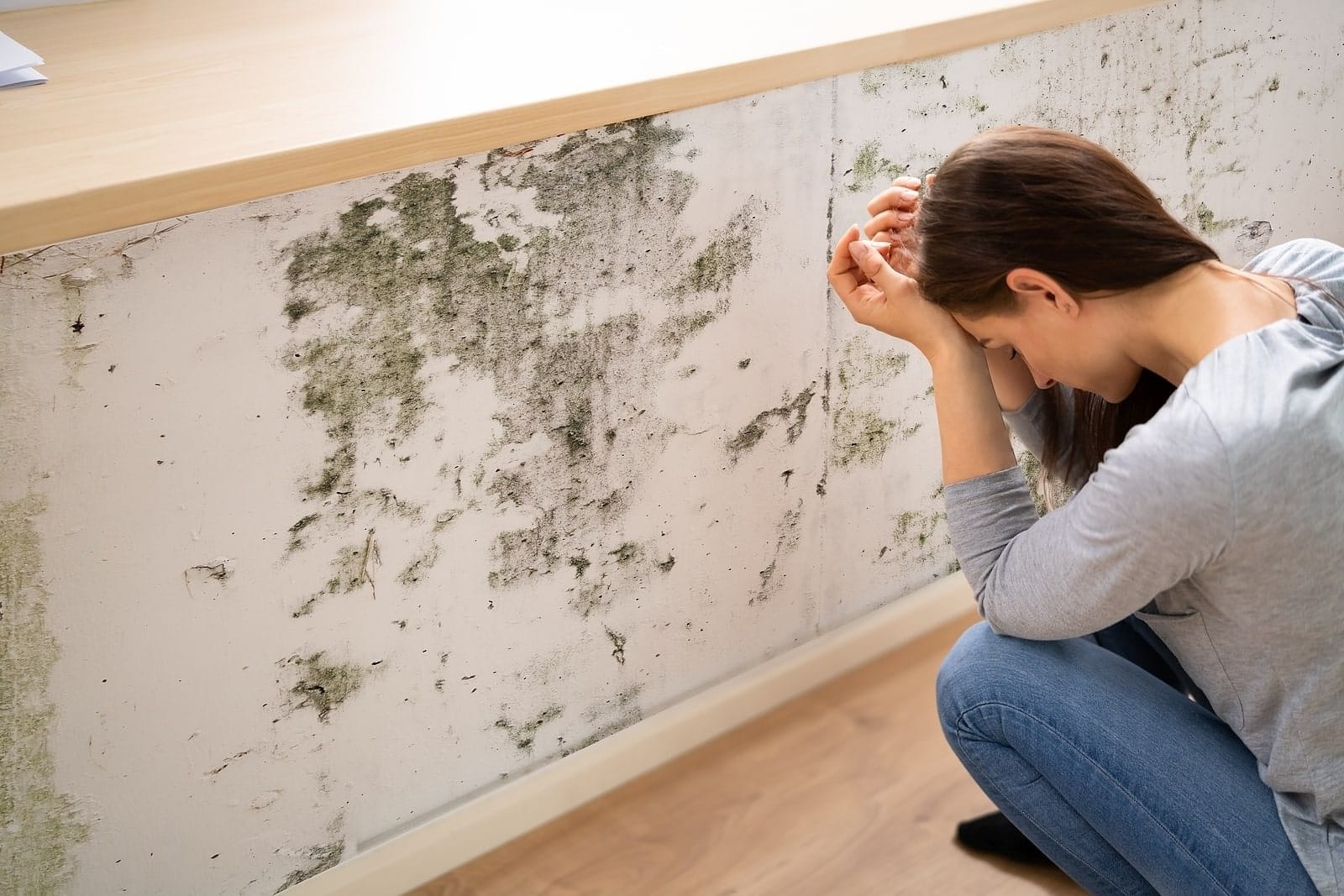
Emergency mold situations are exactly the wrong time to attempt DIY treatment. The conditions that create urgency, active water events, large affected areas, and potential black mold, are also the conditions that make DIY approaches most likely to make the problem worse.
Without containment equipment, cleaning mold distributes spores throughout the home during the scrubbing process. A household member walking through a room where mold is being cleaned without professional containment carries spores to every other room they enter.
Without moisture meters and thermal imaging, the full extent of hidden saturation cannot be identified. Treating visible mold while leaving saturated materials in place behind walls or under flooring allows growth to continue invisibly and recolonize treated areas within days.
Without HEPA vacuums and commercial antimicrobials, surface-level treatment removes visible growth while leaving active spores in the material below the surface. The mold returns to the same spot within weeks because the root structure was never eliminated.
Without post-remediation air sampling, there is no objective way to confirm that the treatment was successful. Professional remediation delivers a verified result. DIY treatment delivers a visual result that may or may not correspond to actual spore level normalization.
Our guide on when it is safe to clean mold yourself versus calling an expert provides a clear breakdown of the specific situations where DIY is reasonable and those where professional intervention is essential.
Preventing the Next Emergency
Once professional mold remediation is complete, the practices below significantly reduce the risk of a future emergency situation developing in your home.
Address Water Events Within 24 Hours
The same 24 hour window that applies to mold response applies to water event response. Any time standing water enters your home from any source, beginning extraction and drying within 24 hours prevents mold from establishing. Our guide on how to fix water damage quickly covers the immediate steps for drying and restoration after any water intrusion event.
Maintain Humidity Below 50 Percent
Consistent air conditioning and supplemental dehumidification in high-humidity areas like basements, laundry rooms, and bathrooms keep indoor humidity below the threshold where mold can establish without a specific water event. A digital hygrometer in each high-risk room gives you accurate real-time readings.
Inspect High-Risk Areas Regularly
Check under sinks, around water heaters, in bathroom grout and caulk, along basement walls, and in the attic seasonally. Early detection of small surface mold allows treatment before growth becomes extensive enough to require emergency intervention.
Schedule Periodic Professional Inspections
A professional mold inspection every one to two years provides an objective assessment of hidden moisture conditions and early-stage mold growth that a visual inspection cannot reliably identify. In Florida’s climate where mold pressure is year-round, this proactive step is among the most cost-effective investments a homeowner can make.
The Bottom Line on 24 Hour Response
Mold is a time-sensitive problem in a way that most home maintenance issues are not. A loose gutter or a cracked driveway does not get worse by the hour. Active mold growing in a warm humid environment does. 24 hour mold remediation is the appropriate response to situations where delay directly increases health exposure, expands the scope of material damage, and raises the ultimate cost of resolution.
The team at The Mold Guys provides emergency mold remediation and professional mold remediation services to homeowners across Southwest and Central Florida. With over 25 years of experience they understand the urgency that Florida’s climate creates and respond with the equipment and protocols needed to contain and resolve mold problems completely. Contact The Mold Guys today for immediate assessment when mold cannot wait.
FAQs
Q: What qualifies as a mold emergency requiring 24 hour response?
A: Active water damage, visible black mold, mold near HVAC systems, mold covering more than 10 square feet, or household members with asthma or immune compromise all qualify. These situations involve ongoing health exposure or rapid spread that a delayed response makes significantly worse.
Q: Is 24 hour mold remediation as thorough as standard scheduled remediation?
A: Yes. Emergency remediation follows identical protocols including containment, HEPA vacuuming, commercial antimicrobial treatment, material removal, and post-remediation air sampling. The only difference is the response timeline. Quality standards and equipment are identical to standard professional remediation.
Q: Can I stay in my home during 24 hour emergency mold remediation?
A: For minor contained situations yes, but for black mold removal, large affected areas, or household members with respiratory conditions, temporary relocation during treatment is strongly recommended. Your remediation professional will advise based on the specific scope and species involved in your situation.
Q: How long does emergency mold remediation take to complete?
A: Most emergency mold remediation projects are completed within one to three days depending on the affected area size and the extent of material removal required. Post-remediation air sampling may extend the timeline slightly if results require additional treatment before the space is cleared.
Q: Does 24 hour mold remediation cost more than standard service?
A: Emergency response may carry a premium for after-hours or weekend availability. However the cost of delayed treatment almost always exceeds any emergency service premium because mold spread over additional days requires treating larger affected areas and replacing more building materials.