
When a hurricane passes through, most homeowners focus on the visible damage: broken windows, missing shingles, downed trees, and standing water. What gets far less attention in those first chaotic hours is the problem that quietly begins the moment floodwater enters your home. Mold after a hurricane does not wait for cleanup crews to arrive or insurance adjusters to assess the damage. In Florida’s warm and humid climate, it starts growing within 24 to 48 hours of water intrusion, and it spreads through a home faster than most people realize until it is well beyond the point of simple surface cleaning.
The reason mold accelerates so dramatically after a hurricane comes down to the combination of factors present all at once: saturated building materials, trapped humidity from storm surge and rainfall, elevated outdoor temperatures, and the widespread disruption that delays effective drying. Emergency mold remediation after a major storm is not just about removing what you can see. It is about understanding how fast the problem moves and why every hour of inaction adds to the scope and cost of what needs to be addressed. We will walk through exactly why hurricane conditions create the worst possible mold environment and what you can do about it before the problem takes over your home.
Why Hurricanes Create the Worst Mold Conditions
Standard water damage events, such as a burst pipe or an appliance leak, introduce moisture from a single source that can be identified and shut off quickly. A hurricane is a completely different scenario. It introduces moisture from multiple directions simultaneously: rainfall penetrating through roof damage, storm surge flooding lower floors, wind-driven rain forcing water through window frames and door seals, and groundwater rising through foundation cracks and slab seams. All of this happens within hours and affects an entire home rather than one contained area.
The Florida Climate Factor
In most parts of the country, post-storm conditions might slow mold growth slightly. In Florida, the climate makes it faster. Temperatures consistently stay above 77°F throughout the hurricane season, which runs from June through November. Most mold species grow most aggressively between 77°F and 86°F. Combine this with the outdoor humidity that remains above 70 to 80 percent after a major storm event and you have indoor conditions that support rapid mold colonization the moment moisture enters the building envelope.
How Floodwater Saturates Materials Differently
Hurricane-related flood damage saturates materials differently than a controlled water event. Drywall, wood framing, insulation, subfloors, and carpeting do not simply get wet on the surface. The volume and pressure of storm surge and heavy rainfall drives water deep into porous materials quickly. These materials then hold that moisture for days or weeks without mechanical drying equipment. Even after the surface appears dry, the interior of the material remains saturated and continues supporting mold growth from within.
This is why water damage mold following a hurricane often appears not just where the water visibly pooled but across large sections of walls, ceilings, and floors where moisture migrated invisibly through capillary action.
The Timeline: How Fast Mold Spreads After a Hurricane
Understanding the growth timeline helps explain the urgency of response. This is not a problem that gives you a comfortable window to wait for conditions to normalize.
Time After Water Intrusion | What Is Happening |
0 to 24 hours | Mold spores begin germinating on wet surfaces. No visible growth yet but colonization has started. |
24 to 48 hours | First visible patches appear on drywall, wood, and fabric. Musty odor may begin. |
3 to 7 days | Colonies expand significantly. Mold penetrates deeper into porous materials. |
1 to 2 weeks | Widespread surface growth. Structural materials become compromised. The spore count in air rises dramatically. |
Beyond 2 weeks | Mold spreads to unaffected areas through HVAC systems and air movement. Remediation scope grows substantially. |
The window between water entry and serious mold establishment is measured in hours, not days. Every hour of delay after a hurricane is an hour of active mold colonization on saturated materials.
What Makes Hurricane Mold Spread Through an Entire Home
Unlike isolated water damage events, hurricane flooding often creates conditions where mold moves from the initial flood zone throughout the entire home. Several specific mechanisms drive this spread.
HVAC System Distribution
If your air conditioning system was running before the storm and is restarted after flooding without inspection, it immediately begins circulating any mold spores that have settled in the ductwork, on the evaporator coil, or in the drip pan. Because the HVAC system connects every room in the home to the same air supply, spores originating in one flooded room are transported to bedrooms, closets, and living areas within hours of the system restarting. Never run your HVAC system after a hurricane until ducts and the air handler have been professionally inspected.
Capillary Migration Through Walls
Floodwater that enters at the base of a wall does not stay at floor level. It wicks upward through drywall paper, wood framing, and insulation by capillary action. A floor that was submerged in six inches of water may result in drywall saturation two to three feet up the wall. This means mold appears above the visible water line and spreads across a much larger area than the visible flood damage suggests.
Cross-Contamination During Cleanup
Homeowners attempting early cleanup without professional equipment frequently spread mold rather than contain it. Moving wet furniture, walking through flooded areas, and using regular fans to dry spaces all distribute spores to unaffected parts of the home. Professional emergency mold remediation uses containment barriers and negative air pressure to prevent this cross-contamination during the remediation process.
Roof and Attic Entry Points
Hurricane wind damage to roofing allows rainfall to enter the attic directly. Water that enters the attic saturates insulation and roof sheathing and then migrates downward through ceiling materials into upper floor rooms. Attic mold following a hurricane is extremely common and often goes undetected until spores begin appearing on ceiling surfaces below. You can review our guide on what causes mold in the attic for a detailed look at how this develops.
The Most Common Areas Affected by Post-Hurricane Mold
Knowing where to look in the days following a hurricane helps you identify the scope of the problem before it spreads further.
Area of the Home | Why It Is High Risk After a Hurricane |
Lower walls and baseboards | First contact point for storm surge and ground flooding |
Subfloor beneath vinyl and carpet | Traps water beneath sealed surfaces where it cannot evaporate |
Attic and roof sheathing | Wind damage allows direct rainfall entry |
HVAC ducts and air handler | Moisture enters system and distributes spores throughout home |
Closets and interior walls | Poor airflow traps humidity and slows drying significantly |
Bathroom and kitchen cabinets | Backed-up drainage introduces contaminated water into enclosed spaces |
What Emergency Mold Remediation After a Hurricane Involves
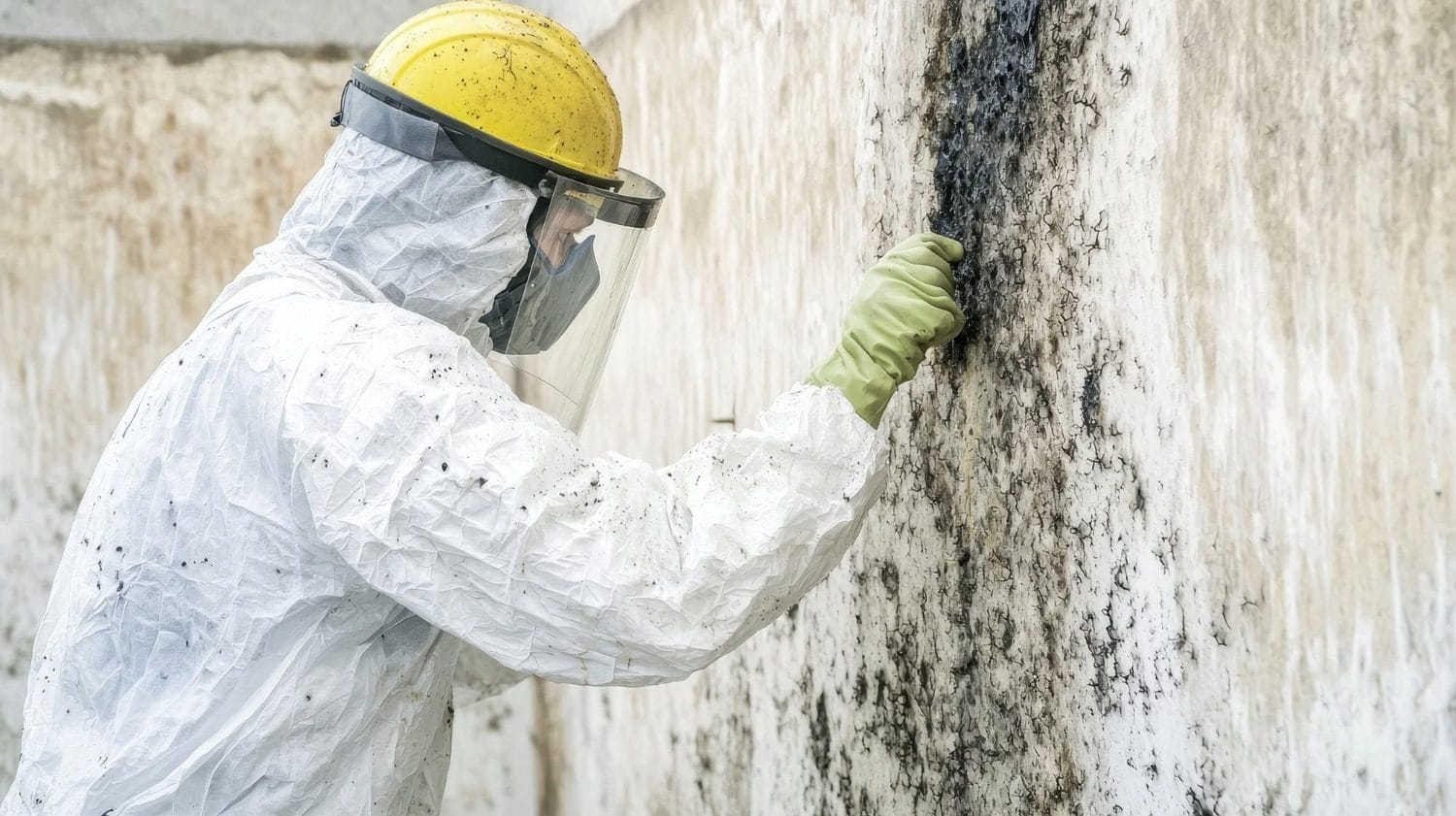
When a hurricane has affected your home, standard mold cleaning approaches are not adequate. The volume of moisture, the extent of material saturation, and the speed of growth require a professional emergency response with the right equipment and protocols.
Professional Water Extraction
The first priority is removing standing water and beginning aggressive drying of all saturated materials. Professional water damage restoration teams use industrial water extraction equipment, high-velocity air movers, and commercial dehumidifiers operating continuously. This equipment removes far more moisture far faster than any consumer-grade alternative and is the single most important factor in limiting how much mold develops in the first critical days after a flood.
Moisture Mapping and Assessment
Before any demolition or treatment begins, professional technicians use moisture meters and thermal imaging cameras to map the full extent of saturation throughout the structure. This reveals hidden moisture in wall cavities, under flooring, and in ceiling spaces that is not visible from the surface. Without this step, materials are frequently left in place that continue supporting mold growth after surface remediation is complete.
Removal of Non-Salvageable Materials
Drywall, insulation, carpet, and baseboards that have been saturated by hurricane floodwater must be removed rather than dried in place. These materials absorb and retain moisture in ways that prevent effective drying and provide the organic food source that mold needs to continue growing. Drywall should be removed at least 12 inches above the visible flood line because moisture wicks upward by capillary action beyond the visible damage. Our detailed guide on mold removal after flood damage covers the full material removal process and why each item is treated the way it is.
Containment and HEPA Treatment
Once demolition and material removal are complete, professional emergency mold remediation involves sealing off affected areas with plastic sheeting, running negative air pressure to prevent spores from migrating, HEPA vacuuming of all structural surfaces, and applying commercial-grade antimicrobial treatments to eliminate colonies on wood framing and concrete. Post-treatment air sampling confirms that spore levels have returned to acceptable ranges before reconstruction begins.
Mistakes Homeowners Make After a Hurricane That Accelerate Mold
The decisions made in the first 48 to 72 hours after a hurricane directly determine how serious the mold problem becomes. These are the most common mistakes that cause a manageable situation to escalate into a whole-home remediation.
Waiting for Insurance Adjusters Before Beginning Drying
Insurance documentation is important but waiting for an adjuster before starting water extraction allows mold to establish throughout the structure. Document damage thoroughly with photographs and video, then begin drying immediately. Most insurance policies actually require prompt mitigation action to limit further damage.
Using Household Fans to Dry Flooded Areas
Running box fans or ceiling fans in flooded rooms distributes mold spores through the air to unaffected areas of the home. Proper drying requires dehumidifiers that remove moisture from the air rather than fans that simply move it around.
Painting or Sealing Over Water Stains
Covering water stains with paint or sealant without testing and treating the underlying material first traps active mold growth beneath the surface. The mold continues growing and eventually pushes through any surface treatment applied over it.
Assuming Dried Surfaces Are Mold-Free
A wall that feels dry to the touch is not necessarily free of mold. Mold growing inside drywall, within insulation, or between the subfloor and finished flooring continues to grow and release spores even when the surface feels completely dry. A professional mold inspection using moisture meters and air sampling is the only reliable way to confirm whether treatment has been effective or whether hidden growth remains.
Rebuilding After Hurricane Mold Remediation
Once professional remediation is complete and post-treatment testing confirms acceptable spore levels, reconstruction can begin. Choosing the right materials during this phase significantly reduces future hurricane mold vulnerability.
Mold-resistant drywall with a fiberglass facing rather than paper removes the organic food source that standard drywall provides. It is the appropriate choice for any space below grade or at ground level in a flood-prone area.
Closed-cell spray foam insulation resists moisture absorption far more effectively than fiberglass batts and does not support mold growth even when exposed to humidity.
Sealed concrete and tile flooring in lower-level spaces performs far better than carpet or wood flooring in hurricane-prone regions where future flooding is a realistic possibility.
For comprehensive guidance on what to do after remediation is complete, our guide on what to do after mold remediation to keep your home mold-free covers the maintenance steps that protect your investment in remediation.
The Bottom Line on Hurricane Mold
Mold after a hurricane is not a problem that waits for convenient timing. It starts within hours of water intrusion and spreads faster in Florida’s warm humid climate than in almost any other environment in the country. The combination of multiple moisture entry points, saturated building materials, disrupted HVAC systems, and extreme outdoor humidity creates conditions where mold can move from a localized floor-level problem to a whole-home contamination within one to two weeks of the storm.
The team at The Mold Guys provides emergency mold remediation and water damage restoration services to homeowners across Southwest and Central Florida. With over 25 years of experience responding to hurricane damage in this climate, they understand the specific urgency that post-storm conditions create. Contact usfor immediate professional assessment after any storm event and protect your home before mold has time to take hold.
FAQs
Q: How quickly does mold appear after hurricane flooding?
A: In Florida’s warm climate mold begins germinating within 24 to 48 hours of water intrusion. Visible patches appear within three to five days. Starting water extraction immediately is the most effective way to limit how much mold develops.
Q: Can I clean hurricane mold myself?
A: Small surface patches on nonporous materials may be manageable with DIY methods. However hurricane flooding saturates large areas of porous building materials simultaneously, requiring professional containment equipment. Attempting cleanup without containment often spreads spores to unaffected areas.
Q: Should I run my AC after a hurricane to help dry out the home?
A: No. Running your HVAC before professional inspection distributes mold spores settled in ducts and the air handler throughout every room. Have the system inspected and cleaned before restarting it after any significant flooding event.
Q: What building materials must be replaced after hurricane flooding?
A: Drywall saturated more than 24 to 48 hours, all carpet and padding, fiberglass insulation, and wood baseboards must be removed. These materials cannot be effectively dried once deeply saturated and become persistent mold sources if left in place.
Q: How do I know if my home still has mold after cleanup?
A: Persistent musty odor, recurring visible growth, and ongoing respiratory symptoms all indicate remaining mold. A professional mold inspection using air sampling and moisture meters confirms whether remediation was complete or hidden growth remains.